7
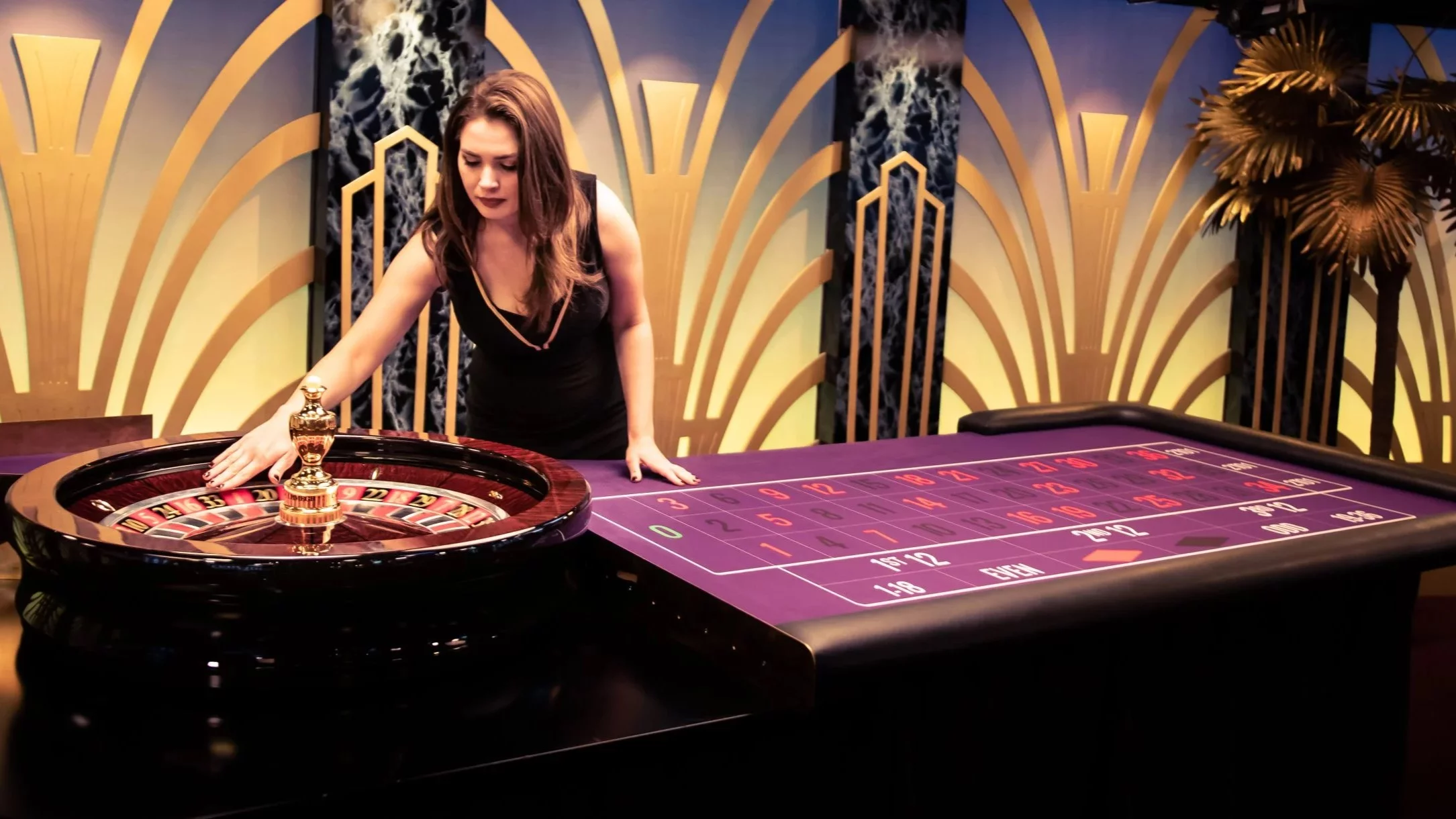
Log into any modern online casino, open a live dealer table, and you are immediately greeted by an immaculate scene. A sharply dressed dealer welcomes you by your screen name, sits before a pristine mahogany or felt table, and deals physical cards with effortless poise. The video stream is crisp, the atmosphere feels exclusive, and the illusion of sitting in a private salon in Las Vegas or Monaco is nearly seamless.
Rotate that camera 180 degrees, however, and the illusion of a quiet casino parlor vanishes. What sits on the other side of the lens is a complex hybrid of a television broadcast studio, a high-frequency financial clearinghouse, and an advanced technology laboratory.
Behind every hand of blackjack or spin of the roulette wheel lies a massive operational machine running around the clock. The dealers are not merely dealing cards; they are performing a delicate balancing act that combines television hosting, rapid-fire technical monitoring, and strict regulatory adherence under the watchful eyes of sophisticated tracking systems.
The Studio Floor: Where Broadcast Television Meets Casino Operations
Live casino gaming is anchored in expansive, purpose-built production facilities located in gaming hubs such as Malta, Riga, Bucharest, and Atlantic City. These soundstages house hundreds of custom-built tables operating simultaneously in massive open-plan rooms or specialized VIP suites.
Creating a functional live casino environment presents unusual engineering challenges. If dozens of dealers are speaking at the same time in the same hall, the resulting soundscape could easily turn into an unintelligible din. To prevent this, studios rely on advanced acoustic architecture. Ceilings and partition walls are covered in specialized sound-dampening acoustic baffling that absorbs vocal reverberation. Above each table, highly directional microphones capture the dealer’s voice while canceling out ambient noise from neighboring tables just six feet away.
The lighting setups are equally calculated. Traditional television studios use powerful, hot spotlights to create dramatic visuals, but that approach is unusable in a live casino. Glare from high-powered lights can reflect off the glossy laminate of playing cards or the polished lacquer of a roulette wheel, blinding the optical sensors that track game outcomes. Studios use custom diffuse LED rigs engineered to produce soft, even illumination that banishes harsh shadows without creating hot spots on the felt or causing eye strain for dealers working long shifts.
Inside the Dealer Cockpit: What the Camera Never Shows
When a dealer looks straight into the camera to thank a player for their wager, they are not staring into empty space. They are looking directly into a customized multi-screen monitoring console known across the industry as the dealer cockpit.
This digital cockpit serves as the dealer’s command center. Positioned directly above or slightly to the side of the main broadcast camera, these monitors supply the live stream of information required to conduct the game smoothly.
The Player and Chat Monitor
One primary screen displays the active chat room feed alongside a dynamic seating chart. As players enter the room, their screen names pop up on the display. When someone places a wager, the dealer sees the bet appear in real time on their console before they even touch a card.
The chat feed scrolls continuously, showing typed comments, questions, and congratulations from players sitting anywhere from Toronto to Tokyo. A skilled dealer learns to scan this scrolling feed while maintaining conversational flow, addressing players naturally without looking distracted or breaking eye contact with the camera aperture.
The Director Prompter and System Alerts
A secondary display acts as an administrative prompt line. If a player requests an explanation of a side bet rule, or if there is a minor network fluctuation affecting players in a specific region, operational messages flash quietly on this screen.
The prompter also displays automated reminders. It signals when betting time has expired, alerts the dealer if a card was slid across a scanner too quickly to register, and provides discreet cues from the floor supervisor. This direct digital link allows the dealer to address behind-the-scenes hiccups without ever showing confusion or alarm to the viewers at home.
The Technology That Bridges Physical Cards and Digital Payouts
The defining miracle of live dealer gaming is synchronization: a dealer pulls an eight of diamonds from a shoe, and fractions of a second later, every player’s digital balance updates accurately across thousands of individual accounts. That synchronization is powered by specialized hardware hidden inside the table itself.
The Game Control Unit (GCU)
Tucked beneath the surface of every live dealer table is a compact device roughly the size of a shoebox known as the Game Control Unit (GCU). The GCU is the computational brain of the table.
It is responsible for encoding the high-definition video feed in ultra-low latency and translating physical table events into digital data packets. Without the GCU, live gaming as it exists today would be technically impossible. It binds the analog motions of the dealer to the casino’s central processing software, calculating odds, validating bets, and paying out winnings in milliseconds.
Optical Character Recognition and Sensor Shoes
To feed data into the GCU, studios rely heavily on Optical Character Recognition (OCR) and specialized scanning technology.
In games like blackjack and baccarat, cards are pulled from an intelligent shoe equipped with internal infrared sensors or high-speed barcode readers. Each card in the deck features tiny, machine-readable barcodes or micro-printed indicators along its margins. As the dealer slides the card out of the shoe, the sensor reads the rank and suit before the face of the card is even visible to the human eye.
Simultaneously, high-resolution cameras mounted directly above the felt scan the table layout using OCR software. If a card is dealt to the player’s split hand, the software recognizes its physical coordinate on the table and matches it with the player’s digital choice.
Roulette tables feature an identical fusion of physical craft and digital sensing. Embedded laser sensors monitor the rim of the wheel, calculating the exact rotation speed of the rotor and the deceleration of the ivory ball. The moment the ball settles into a numbered pocket, the sensor network registers the winning number instantly, triggering visual overlays on the player’s screen before the dealer even announces the result aloud.
The Rigors of the Live Dealer Academy
Dealing cards in an online studio requires a vastly different skillset than working at a brick-and-mortar casino in Las Vegas. A land-based dealer interacts with physical patrons sitting inches away, relying on physical gestures and standard floor presence. A live studio dealer, by contrast, is performing on camera.
Before stepping onto a live floor, prospective dealers undergo weeks of rigorous training at dedicated studio academies. The curriculum blends professional croupier technique with television broadcasting discipline.
Dealers are trained in strict choreography. Their hands must remain within the camera cone at all times to ensure that every finger movement is visible to both players and security cameras. Every time a dealer touches chips or finishes dealing a hand, they execute deliberate hand-clearing motions—turning their palms upward and outward—to demonstrate that nothing is concealed.
Beyond manual card handling, academy instructors focus intensely on screen presence. Dealers are coached on vocal projection, camera eye contact, posture, and conversational improvisation. A land-based dealer can work an entire shift in comfortable silence if the table is quiet. A live studio dealer cannot tolerate dead air. If the chat is quiet, the dealer must carry the broadcast alone, discussing sports, sharing light anecdotes, and maintaining an upbeat, welcoming aura without sounding scripted or forced.
The Unseen Watchdogs: The Mission Control Room
While the dealer is the visible face of the table, they are never working alone. Deep inside every live studio facility, behind biometric security doors, sits the Central Operations Control Room, commonly referred to as Mission Control.
Resembling a surveillance hub or a network television master control room, this room features banks of high-definition monitors tracking every active table in the building. Highly trained technical directors, pit bosses, and compliance officers watch the proceedings in real time.
If a mechanical card shoe jams, a card accidentally drops off the table, or a player raises a dispute about a timed-out bet, the dealer does not stop the game to argue. Instead, the floor supervisor in Mission Control handles the issue remotely.
The supervisor can pull up high-speed, frame-by-frame video replays of the hand in question within seconds. If an intervention is needed, the supervisor either sends an administrative correction directly to the table’s software interface or steps quietly onto the set to execute a standardized reset protocol. This invisible layer of oversight guarantees that human error is caught immediately without compromising the integrity of the game.
Managing Cognitive Fatigue and Physical Demands
Operating as a live dealer is physically and mentally grueling. Maintaining radiant energy under bright studio lights while executing flawless mathematical procedures requires immense concentration.
To combat cognitive fatigue, studios enforce strict rotation schedules. Dealers rarely remain at a table for more than thirty to forty-five minutes at a stretch. Once their rotation ends, they step away to dedicated break lounges to rest their eyes, rehydrate, and decompress before cycling back onto the studio floor at a different table or game format.
These mandatory breaks are essential for security. Studies in human performance show that attention to detail drops sharply after prolonged repetitive tasks. Frequent rotations ensure that dealers stay mentally sharp, drastically reducing manual errors and keeping their social presentation engaging and fresh throughout their shift.
Dealers also face the emotional challenge of moderating player interaction. While many players are polite and friendly, the anonymity of the internet means dealers occasionally encounter frustrated comments or inappropriate language in the chat. Professional dealers are trained in psychological de-escalation; they remain unflappable, avoid engaging with provocations, and rely on behind-the-scenes moderators who silently mute or ban abusive users from the chat stream.
The Enduring Appeal of the Human Element
In an era dominated by rapid advancements in artificial intelligence and complex computer graphics, it might seem paradoxical that the fastest-growing sector of online gaming relies on real human beings manually sliding cardboard across cloth tables.
Yet that human connection is precisely why live studios have become so dominant. Automated random number generator games, while mathematically sound, operate inside an invisible digital black box. They are fast, but they are sterile.
Watching a real person shuffle a physical shoe, cut the deck, and smile into the camera provides visceral reassurance that no digital algorithm can duplicate. The player can see the physical laws of nature at work: the friction of the felt, the spin of the wheel, and the bounce of the ball.
Live dealer studios have succeeded because they refuse to replace people with code. Instead, they use world-class technology to elevate the human dealer, creating an experience where television production, cutting-edge telemetry, and traditional casino hospitality meet on a single shared screen.
