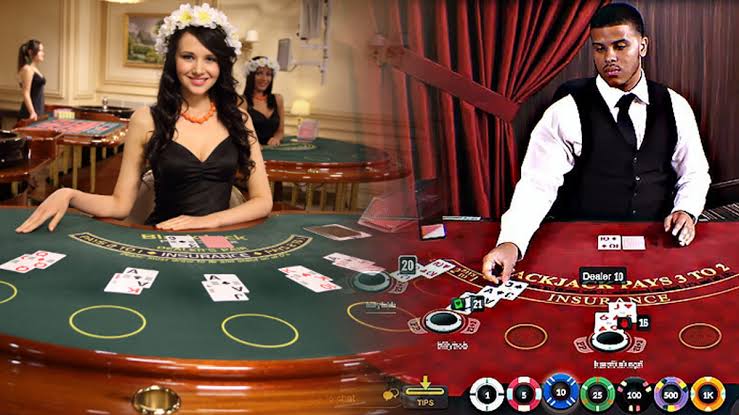
Land casino floors broadcast live roulette by mounting cameras and microphones directly over a real gaming table, sending its rounds online while walk-in guests keep playing. Dual play is the industry name, one wheel serving two audiences at once. Floor players place physical chips beside the wheel, and online players bet on a digital layout mirroring the same spins. Results come from the single physical ball, so both audiences share identical outcomes. Dual play rooms appear under the casino’s own name, which any bitcoin roulette app lists beside its studio tables. Atmosphere is the draw, since real floor sound and movement reach the stream unfiltered.
Cameras fit real casino floors
Cameras on a floor table mount discreetly, because the space belongs to a working casino rather than a built set. Overhead units hang from ceiling rigs above the wheel, capturing the pocket view that results from reading needs. Side cameras sit on slim poles at the table’s corners, framing the dealer and layout without blocking guest sightlines. Wide units catch the surrounding floor, feeding the stream its background of real tables and real crowds. Lighting comes mostly from the casino’s own fixtures, with small supplements hidden in the rig where the wheel needs extra clarity. Positioning respects the physical guests first, so angles differ from the perfect symmetry studios are built with. Streams gain character from exactly those imperfect angles, and viewers recognise a genuine floor within seconds.
Floor equipment replaces studio setups
Floor installations replace the studio’s built infrastructure with compact equivalents, and four pieces carry most of the load.
- Wheel sensors read each winning pocket automatically, sending results to the game server as studio wheels do.
- Encoder units beside the table compress the camera feeds and push the stream to the casino’s network.
- Directional microphones capture the dealer’s calls while holding the floor’s noise at a workable level.
- A dealer console links the physical table to the online round, syncing betting windows with real play.
Cabling runs under the floor or along the rig, keeping the guest area clean. Maintenance happens in casino downtime, since the table cannot leave service for long. Racks in a back room replace the studio’s control gallery, monitored remotely by the streaming provider.
Broadcast quality holds on floors
Quality holds because the essentials travel light. Result data comes from sensors rather than image reading alone, so accuracy survives busy visuals. Adaptive streaming manages the variable floor lighting, and directional audio keeps calls clear over crowd sound. Betting windows follow the physical dealer’s pace, slightly less uniform than studio timing yet fully synced for online seats. Floor noise stays part of the product rather than a flaw, and most regulars choose these tables for it. Casinos gain a broadcast presence from tables already running, which is one reason the format keeps spreading.
Floor broadcasting proves a full studio is optional; four compact systems and careful mounting turn any real wheel into a global table. Two audiences share one ball, and the online seat gets the casino’s atmosphere for free. Dual play remains the closest a stream comes to standing on the floor itself.
